What Body Positivity Really Means (It’s Not About Perfection)
- Adrita Roy
- 2 hours ago
- 5 min read

Introduction

"Imperfection is beauty, madness is genius and it's better to be absolutely ridiculous than absolutely boring"- Marilyn Monroe
Body positivity is often misunderstood as simply loving your appearance or striving for a “perfect body.” In reality, it is much deeper, kinder, and more realistic than that.
At its core, body positivity is about acceptance, respect, and the understanding that your worth is not defined by how you look. It encourages you to value yourself beyond physical appearance and to treat your body with compassion.
It is also a social movement that advocates for the respect and acceptance of all bodies, regardless of size, shape, skin tone, gender, or physical ability. It challenges unrealistic beauty standards, promotes self-love, and highlights the importance of what the body can do rather than how it looks.
Ultimately, body positivity aims to reduce body shaming and discrimination while creating a more inclusive and supportive way of seeing ourselves and others.
To know more about body positivity, please visit this topic on Body Positivity on Wikipedia.
Body positivity is not about perfection
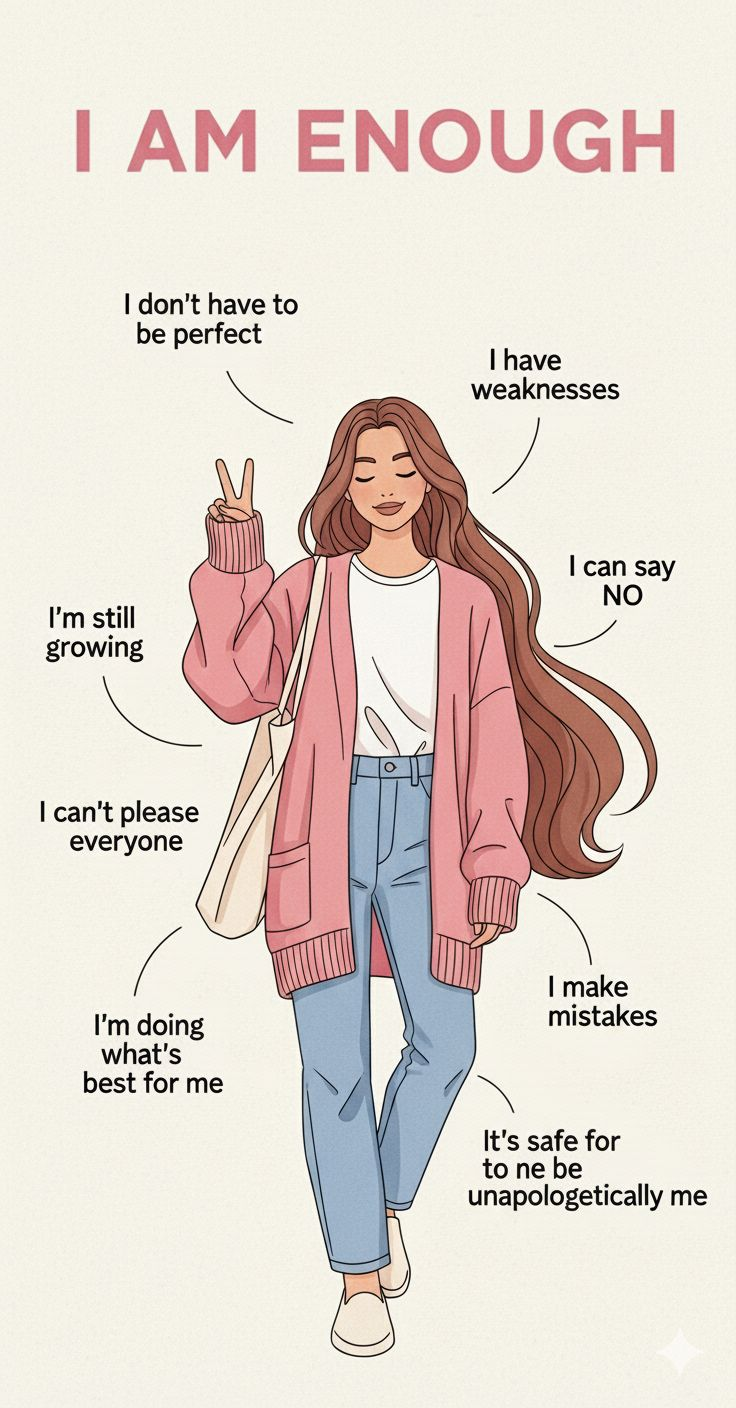
One of the biggest myths about body positivity is that you must feel confident all the time or love every part of your body. That is simply not true.
Body positivity is not about perfection it is about progress and perspective. It allows you to have days when you feel confident about your appearance and days when you don’t, without judging yourself harshly.
It is completely okay to not feel perfect. What matters most is how you treat yourself on those days with care and kindness instead of criticism.
Shifting from Appearance to Appreciation

Instead of focusing only on how your body looks, body positivity encourages you to appreciate what your body does for you every day. Your body allows you to move, breathe, experience emotions, and connect with life and most importantly, it is your own.
When you shift your focus from appearance to appreciation, your relationship with your body becomes softer and more respectful. This change in mindset can help reduce negative self-talk and build a healthier sense of self.
It also helps you move away from seeking external validation from others, allowing you to find confidence and acceptance from within.
Unlearning Unrealistic Standards

Many people grow up surrounded by unrealistic beauty standards shaped by media, social platforms, and society.
These ideals often create pressure to look a certain way in order to feel “enough,” whether it is glass-like skin in Korean beauty standards, a slim figure in Chinese ideals, or tall and thin requirements in the modeling industry.
Because of this, appearance is often wrongly linked to value, love, marriage, and social acceptance. Pressure around skin tone, body shape, and weight can deeply affect self-esteem and may lead to emotional distress and unhealthy habits.
This can make people feel unworthy or less loved, impacting their mental health and confidence. However, these standards do not reflect real worth or true beauty.
You are not meant to fit a fixed mold. You are unique, and your appearance is part of your natural identity not a flaw.
Everyone has their own kind of beauty, and no standard should define your value. Instead of focusing on looks, we should value kindness, character, and how a person treats others. True worth lies in personality, actions, and the heart.
Love, Attraction, and Relationships

Body positivity also plays an important role in how we view love, attraction, and relationships, including the way people receive attention and are perceived by others.
In real life, especially in films and on social media, there is often an emphasis on “perfect” physical appearances such as the idea of a heroine having a slim figure or a hero having a muscular body with abs. This creates a narrow standard of beauty that many people feel pressured to match.
Because of this, appearance is often wrongly prioritized when choosing a partner, with attractiveness sometimes being seen as the main factor for love or dating success. However, meaningful relationships are not built on looks alone.
Love is rooted in care, mutual respect, emotional understanding, kindness, and shared values. These qualities matter far more than physical appearance when forming deep and lasting connections. Even on dating apps, people are often judged first by appearance, but true compatibility goes much deeper than what meets the eye.
Beauty cannot be measured by a scale or defined by a “perfect face.” Real beauty is reflected in a person’s character, heart, and how they treat others.
By shifting focus from “perfect bodies” to “whole people,” we create healthier expectations, stronger relationships, and more authentic love.
Self-Acceptance as a Journey
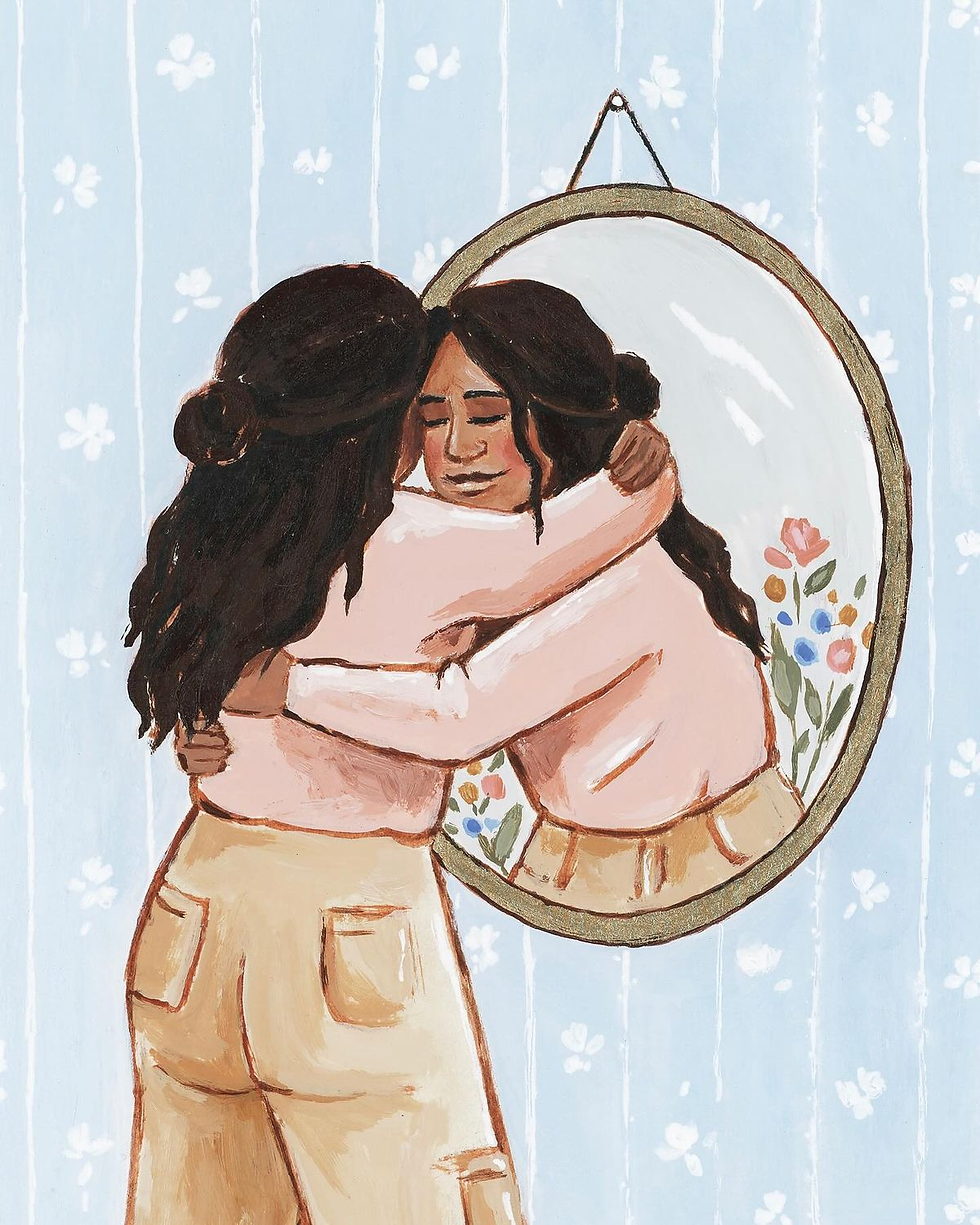
Body positivity is not a destination it is a journey of learning and unlearning. It allows space to make mistakes, grow, and follow what your heart truly desires. Healing can happen more deeply and quickly than we often imagine.
Some days will feel easier than others, and that is completely normal. Self-acceptance begins with small choices: speaking kindly to yourself, avoiding harmful comparisons, and choosing to care for your mental and emotional well-being.
Over time, these small shifts build a stronger, more compassionate relationship with yourself.
Building Confidence from Within

True confidence does not come from changing your appearance it comes from accepting yourself for who you are. When you stop measuring your worth based on looks, you begin to recognize your strengths, personality, and individuality.
This internal confidence is far more stable and meaningful than external validation.
Body positivity helps you understand that you are already enough, exactly as you are. You are a beautiful person in your own way you are enough.
Take a moment, stand in front of the mirror, and truly see yourself. You are worthy of love, pride, and kindness.
Conclusion
Body positivity is not about perfection, and it is not about constantly loving every part of yourself. It is about acceptance, respect, and kindness toward both your body and mind.
You do not need to change yourself to be worthy of love or confidence. You are already enough. The more you embrace this truth, the more peaceful and empowered your relationship with yourself becomes.
FAQs
1. What does body positivity really mean?
Body positivity means accepting, respecting, and appreciating your body as it is, without tying your worth to appearance. It focuses on self-love, confidence, and overall well-being rather than perfection.
2. Is body positivity about always loving your body?
No, body positivity is not about constant love or perfection. It is about accepting your body even on difficult days and treating yourself with kindness instead of criticism.
3. How does body positivity improve mental health?
It helps reduce negative self-talk, comparison, and pressure from unrealistic standards. This can improve self-esteem, confidence, and emotional well-being over time.
4. Can body positivity help in relationships and dating?
Yes. It encourages people to value personality, emotional connection, and shared values over appearance, leading to healthier and more meaningful relationships.
5. How can I start practicing body positivity in daily life?
You can start by speaking kindly to yourself, avoiding harmful comparisons, appreciating what your body does for you, and focusing on your strengths instead of only appearance.


Comments